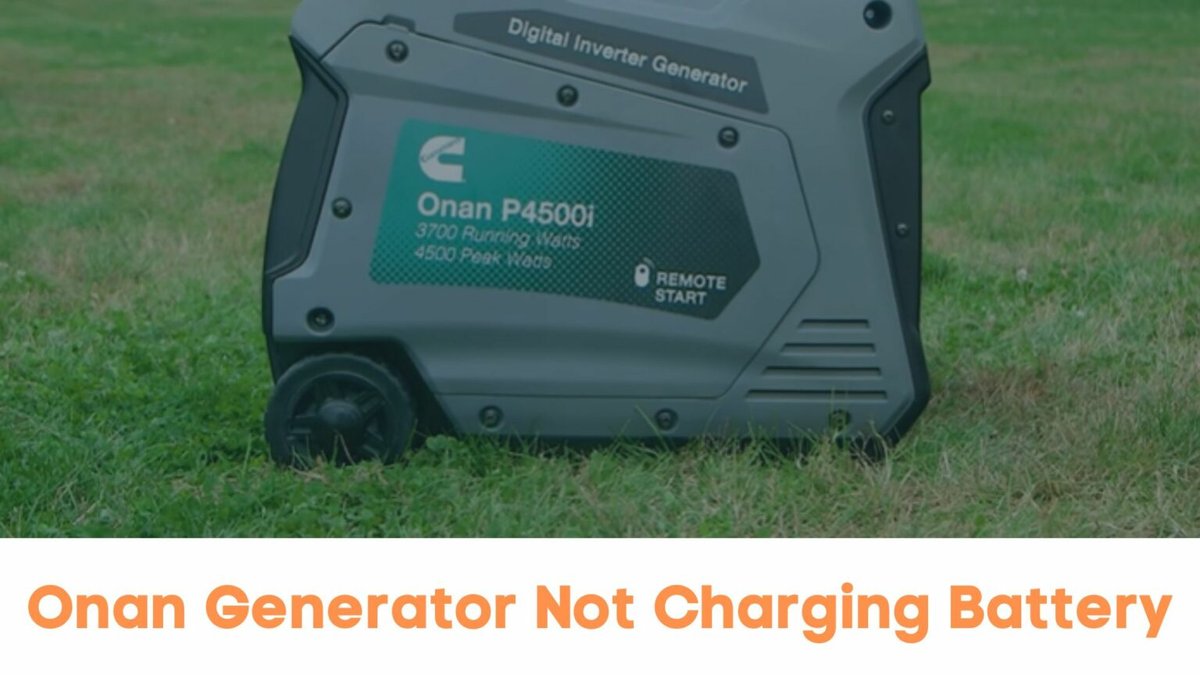
There’s a unique dread that washes over you when your trusted Onan generator sputters, struggles, or worse, just sits there silently when you need it most. Whether you’re RVing off-grid, running a mobile business, or simply rely on backup power, a non-functioning generator isn't just an inconvenience—it's a problem that needs a solution, fast. This guide cuts through the technical jargon, offering clear, actionable Troubleshooting & Replacement Guides for Onan Generator Parts to help you diagnose issues and get your power back.
Consider this your go-to resource for understanding what’s going wrong and how to fix it, drawing on a systematic approach that makes complex problems feel manageable. We're breaking down common faults, demystifying the parts involved, and empowering you to make informed repair decisions, whether you’re a seasoned DIYer or just getting started.
At a Glance: Your Quick Path to Onan Generator Fixes
- Start with the basics: Always check fuel, oil, and air first. Many problems resolve here.
- Systematic Troubleshooting: Approach issues methodically, isolating variables to pinpoint the root cause.
- Common Culprits: Fuel delivery, ignition, and electrical output are frequent sources of trouble.
- Safety First: Disconnect power, ensure proper ventilation, and use the right tools.
- Know Your Model: Specific part numbers and procedures depend heavily on your Onan generator's model and serial number.
- When to Replace: Focus on components prone to wear and tear or specific failure modes.
- Don't Guess: Test components where possible to confirm a diagnosis before replacing parts.
When Your Onan Stalls Out: The Troubleshooting Mindset
Facing a dead generator can feel overwhelming, but it doesn't have to be. Think of troubleshooting like being a detective: you're looking for clues, ruling out suspects, and following a logical path to the truth. The biggest mistake people make is jumping to conclusions or replacing parts randomly. A systematic approach saves time, money, and frustration.
Before you grab a wrench, take a deep breath and observe. What exactly is happening (or not happening)? Does it crank? Does it try to start? Is there any sound? Even subtle observations can be critical clues. Always begin with the simplest checks, working your way to more complex diagnostics.
The Basics You Can't Skip: Fuel, Oil, Air, and Spark
Before diving into complex diagnostics or ordering parts, confirm these fundamentals:
- Fuel: Is there enough fresh fuel in the tank? Stale fuel (older than 3-6 months) is a common generator killer. Is the fuel valve open?
- Oil: Is the oil level correct? Onan generators, like most, have low-oil shutdown sensors to prevent engine damage. If the oil is too low, it won't even try to start.
- Air: Is the air filter clean and unobstructed? A clogged air filter chokes the engine.
- Battery: Is the starting battery fully charged? Even if it operates other RV functions, it might not have enough cold-cranking amps for the generator. Check terminals for corrosion.
Address these four points first. You’d be surprised how often the problem lies in one of these basic areas.
Decoding Onan's Silent Treatment: No Start, No Crank, No Spark
This is perhaps the most frustrating scenario. Let's break down the "no start" problem into its common variations.
If Your Onan Doesn't Crank At All (Silence or a Click)
When you press the start button and hear nothing, or just a single click, the issue usually points to the starting circuit.
- Dead Battery: This is the most frequent culprit. Even if your RV’s main battery bank is fine, the specific battery for the generator might be discharged or faulty. Test the battery voltage (should be 12.6V or higher).
- Corroded Battery Cables/Terminals: A poor connection restricts current flow. Clean any corrosion on the battery terminals and generator ground strap.
- Starter Motor Issues: If the battery is good and connections are clean, the starter motor itself could be faulty, or its solenoid could be stuck. A common trick is to lightly tap the starter motor with a hammer (not violently!) while trying to start, which can sometimes free a stuck solenoid.
- Safety Interlocks: Many Onan generators have safety switches. Common ones include low oil pressure, high engine temperature, or even RV master switch settings. Consult your owner's manual for specific interlocks.
- Control Board Failure: The control board manages the starting sequence. If it fails, it might not send the signal to the starter. This is a more complex diagnosis often requiring a professional.
If Your Onan Cranks But Won't Start (Engine Turns Over, But Doesn't Catch)
This indicates the engine is spinning, but it's not getting the necessary ingredients for combustion: fuel, air, and spark, in the right mixture and at the right time. Since we've already checked basic fuel and air filters, let's look deeper.
- No Spark:
- Spark Plugs: Worn, fouled, or improperly gapped spark plugs are a very common issue. Remove a plug, reconnect it to its wire, ground the base to the engine, and have someone briefly crank the generator (safely, away from fuel fumes). Look for a strong blue spark. If no spark, replace the plugs.
- Ignition Coil/Module: If new plugs don’t help, the ignition coil (or ignition module on some models) might be failing. This component steps up battery voltage to create the high voltage needed for spark. Testing requires a multimeter or specialized tool.
- Kill Switch/Safety Shutdown: Ensure any remote kill switches or fuel solenoids are in the "run" position.
- No Fuel Delivery:
- Fuel Filter: Even if visually clean, internal blockages can restrict fuel flow. It’s a cheap and easy part to replace.
- Fuel Pump: Onan generators use electric fuel pumps. Listen for a faint buzzing sound when you first press the start button (before cranking fully). No buzz? Test for power to the pump. If power is present but no buzz, the pump is likely dead.
- Fuel Solenoid: Many Onan carburetors have a fuel shut-off solenoid that prevents fuel flow when the generator is off. If this solenoid fails or gets clogged, no fuel reaches the combustion chamber. You might need to test it for power or remove it to check for obstructions.
- Carburetor Issues: Clogged jets or passages within the carburetor are incredibly common, especially if the generator sits unused with old fuel. Carburetor cleaning (or replacement for severe cases) is often necessary.
- Fuel Lines: Cracks, kinks, or blockages in the fuel lines can restrict flow.
- No Compression: While less common for intermittent problems, a severe lack of compression due to internal engine damage (e.g., valve issues, head gasket) will prevent starting. This typically requires professional diagnosis.
Power Play Problems: Onan Runs But Produces No Power
Your generator hums along beautifully, but nothing happens when you plug something in. This points to an issue with the power generation or output circuit.
- Tripped Circuit Breakers: This is the first and simplest check. Onan generators have AC circuit breakers, often on the control panel, similar to a house breaker box. Ensure they are reset. An overload might have tripped them.
- Faulty Voltage Regulator: The voltage regulator is crucial for converting the raw AC voltage from the alternator into stable, usable household current. If it fails, you'll get no output or wildly fluctuating voltage. Testing a voltage regulator often requires specific tools and knowledge, but it’s a common replacement part.
- Worn Brushes: Older Onan models (especially many RV models) use brushes that ride against a commutator to transfer power from the rotating rotor to the stationary stator (or vice-versa). Over time, these brushes wear down, losing contact and preventing power generation. Inspecting and replacing brushes is a common repair.
- Stator/Rotor Issues: The stator and rotor are the primary components that create electricity. Damage to windings or magnets here (less common, usually due to overheating or impact) will prevent power output. This is a more significant, and usually professional, repair.
- Wiring Problems: Loose or corroded connections within the output wiring, or a break in the circuit, can prevent power from reaching the receptacles.
Rough Ride: Surging, Stalling, and Smoking
If your Onan starts but runs erratically, struggles under load, or puts out telltale smoke, it’s communicating a problem.
- Surging or Hunting (RPMs Fluctuate):
- Carburetor Issues: This is the most common cause. Clogged main jets or passages in the carburetor can lead to an inconsistent fuel-air mixture.
- Fuel Contamination: Water or debris in the fuel system can cause surging.
- Air Filter: A partially clogged air filter can also contribute.
- Governor Problems: The governor system (mechanical or electronic) maintains engine RPM under varying loads. If it's sticky or failing, it can cause surging.
- Stalling Under Load (or Without Load):
- Fuel Delivery: Similar to "cranks but won't start," insufficient fuel due to a weak pump, clogged filter, or dirty carburetor can cause stalling.
- Overheating: An overheated engine will often shut down to prevent damage. Check cooling fins for debris, oil level, and any temperature sensors.
- Spark Plug/Ignition Issues: Weak spark can cause misfires and stalling, especially under load.
- Smoking: The color of the smoke provides critical clues:
- Black Smoke: Too much fuel, not enough air. Common causes include a dirty air filter, restricted exhaust, or a malfunctioning carburetor (choke stuck closed, rich mixture).
- Blue Smoke: Burning oil. This indicates worn piston rings, valve guides, or a crankcase breather issue. This is a sign of internal engine wear and often requires significant repair.
- White Smoke: Burning coolant (if liquid-cooled, less common in smaller Onans) or steam, or sometimes unburnt fuel. If it's thin, it could just be condensation. Persistent, thick white smoke could indicate a head gasket leak or severe fuel delivery problem.
The Heart of the Matter: Common Onan Parts Needing Attention
Understanding which parts frequently fail will streamline your Troubleshooting & Replacement Guides for Onan Generator Parts.
Fuel System Components
These parts are critical for delivering clean, properly mixed fuel to the engine.
- Fuel Filter: Designed to catch debris, these get clogged over time. Easy and inexpensive to replace.
- Fuel Pump: An electric pump moves fuel from the tank to the carburetor. They can fail electrically or mechanically.
- Carburetor: Mixes fuel and air. Its small passages are highly susceptible to clogging from stale fuel, leading to surging, no-start, or rough running. Often requires cleaning, rebuilding, or replacement.
- Fuel Solenoid: On carburetors, this electrically operated valve controls fuel flow to prevent dieseling when the engine shuts off. A faulty solenoid can prevent fuel from reaching the engine.
- Fuel Lines: Can crack, harden, or become restricted, leading to leaks or insufficient fuel flow.
Ignition System Components
Crucial for generating the spark that ignites the fuel-air mixture.
- Spark Plugs: Wear out over time, develop carbon fouling, or an improper gap. Replace them as part of regular maintenance or when troubleshooting a no-spark condition.
- Ignition Coil/Module: Transforms low battery voltage into the high voltage needed for spark. Can fail due to heat or age, leading to intermittent or no spark.
Electrical & Control System Components
These regulate the generator's operation and output.
- Voltage Regulator: Stabilizes the AC output voltage. A common failure point resulting in no or incorrect power output.
- Control Board (or Control Module): The "brain" of many Onan generators, managing starting, stopping, safety shutdowns, and sometimes even the output. A complex part, often replaced rather than repaired.
- Starter Motor/Solenoid: Engages the engine to crank it over. Failures lead to no cranking.
- Brushes: Found in many Onan alternators, these conduct electricity to the rotating components. They wear down and need replacement when they lose contact.
- Sensors: Low oil pressure sensor, over-temperature sensor. These trigger protective shutdowns when conditions are unsafe. A faulty sensor can cause nuisance shutdowns.
Air System
- Air Filter: Protects the engine from dust and debris. A clogged filter restricts airflow, causing rich running, black smoke, and reduced power.
Your DIY Toolkit: Step-by-Step Replacement Principles
Tackling Onan generator part replacement yourself can be rewarding and save money, but it demands careful attention to detail.
- Safety Above All:
- Disconnect Power: Always disconnect the generator's starting battery before working on any electrical components.
- Ventilation: Work in a well-ventilated area, especially when dealing with fuel.
- Cool Down: Allow the generator to cool completely before working on hot components like the exhaust or engine.
- Personal Protective Equipment (PPE): Wear gloves, eye protection, and appropriate clothing.
- Gather Your Resources:
- Owner's Manual/Service Manual: Your Onan manual is invaluable. It contains wiring diagrams, torque specifications, troubleshooting flowcharts, and specific part locations for your model.
- Correct Parts: Ensure you have the exact replacement part for your generator's model and serial number.
- Tools: Basic mechanic's tools (wrenches, screwdrivers, pliers, multimeter) are usually sufficient. Specialized tools might be needed for certain tasks (e.g., fuel pressure gauge).
- Document Everything:
- Take Photos: Before you remove anything, take clear, detailed photos from multiple angles. This is your memory aid for reassembly, especially for wiring and hose routing.
- Label Wires/Hoses: Use masking tape and a marker to label wires or hoses if there's any chance of confusion.
- Keep Fasteners Organized: Use small containers or magnetic trays to keep nuts, bolts, and washers organized with the part they belong to.
- Careful Disassembly:
- Work Systematically: Remove components in a logical order.
- Be Gentle: Avoid forcing parts. If something is stuck, there's likely a hidden fastener or a trick to it. Refer to your manual.
- Cleanliness: Prevent dirt and debris from entering open fuel lines, carburetors, or engine openings.
- Clean Installation:
- New Gaskets/Seals: Always use new gaskets, O-rings, and seals when replacing parts, especially in the fuel system.
- Torque Specifications: If provided in your manual, use a torque wrench for critical fasteners to prevent damage or leaks.
- Double-Check Connections: Ensure all electrical connectors are secure and all hoses are properly clamped.
- Test and Verify:
- Initial Start-Up: After reassembly, perform an initial start-up carefully. Check for leaks (fuel, oil), unusual noises, or warning lights.
- Load Testing: Once running smoothly, connect a load (e.g., a hairdryer or a small space heater) to confirm proper power output.
- Monitor: Run the generator for a while, keeping an eye on temperatures, performance, and any lingering issues.
Finding the Perfect Match: Getting the Right Onan Part
The success of any repair hinges on using the correct replacement part. Onan generators come in many series (e.g., MicroQuiet, Marquis, Quiet Diesel) and each series has numerous models and variations.
- Locate Your Model and Serial Number: This is absolutely paramount. These numbers are typically found on a metal plate or sticker directly on the generator casing. For RV models, it's often near the air filter or exhaust. Write them down and keep them handy.
- OEM vs. Aftermarket Parts:
- OEM (Original Equipment Manufacturer): These are genuine Onan parts. They guarantee an exact fit and performance, but often come with a higher price tag.
- Aftermarket: Produced by third-party manufacturers. Quality can vary. Some aftermarket parts are excellent, offering a cost-effective alternative, while others may be poorly made. Research reputable aftermarket brands.
- Specify Your Exact Model: When you Shop Onan generator replacement parts, always provide your full model and serial number to ensure compatibility. A fuel pump for a Marquis 5500 might be different from one for a MicroQuiet 4000.
Beyond the Fix: Keeping Your Onan Running Strong
Preventative maintenance is the best defense against future breakdowns. Don't wait for your generator to fail before giving it attention.
- Regular Exercising: Onan generators thrive on use. Run your generator under at least 50% load for 1-2 hours monthly. This keeps seals lubricated, burns off moisture, and cycles fuel through the system.
- Oil Changes: Follow the manufacturer's recommended oil change intervals, typically based on hours of operation. Use the correct type and viscosity of oil.
- Fuel Stabilizer: Always use a high-quality fuel stabilizer if your generator will sit unused for more than a few weeks. This prevents fuel from breaking down and gumming up the carburetor.
- Air Filter Inspection/Replacement: Check the air filter regularly and replace it as per your manual or when it appears dirty.
- Spark Plug Replacement: Replace spark plugs at the recommended intervals.
- Battery Maintenance: Keep the starting battery charged and its terminals clean.
- Cleanliness: Keep the generator clean, especially around cooling fins and vents, to prevent overheating.
When to Wave the White Flag: Calling in the Professionals
While many generator problems can be tackled by a determined DIYer, there are times when calling a qualified technician is the smartest move.
- Complex Electrical Issues: If you've ruled out the common electrical components (voltage regulator, brushes) and suspect deeper wiring or control board problems, professional diagnosis is often safer and more efficient.
- Internal Engine Problems: Issues like low compression, persistent blue smoke (burning oil), or unusual knocking sounds usually indicate internal engine wear or damage that requires specialized tools and expertise to repair.
- Lack of Specialized Tools: Some diagnostics (e.g., oscilloscope for ignition timing) or repairs require tools you might not have.
- Time Constraints or Lack of Confidence: If you're short on time, lack confidence in your repair skills, or simply prefer to have an expert handle it, there's no shame in seeking professional help. A poorly executed DIY repair can sometimes cause more damage.
- Warranty Concerns: If your generator is still under warranty, attempting major repairs yourself might void it. Always check your warranty terms.
Getting Back to Power: Your Next Steps
Solving generator problems, especially with Onan units, is often a journey of methodical elimination. Start with the simplest checks, move through the common system failures (fuel, ignition, electrical), and don't be afraid to consult your owner's manual extensively.
By understanding the key components, recognizing common symptoms, and approaching the task systematically, you're well on your way to mastering the Troubleshooting & Replacement Guides for Onan Generator Parts. With a little patience and the right information, you can get your Onan purring reliably again, bringing back the peace of mind that comes with dependable power.