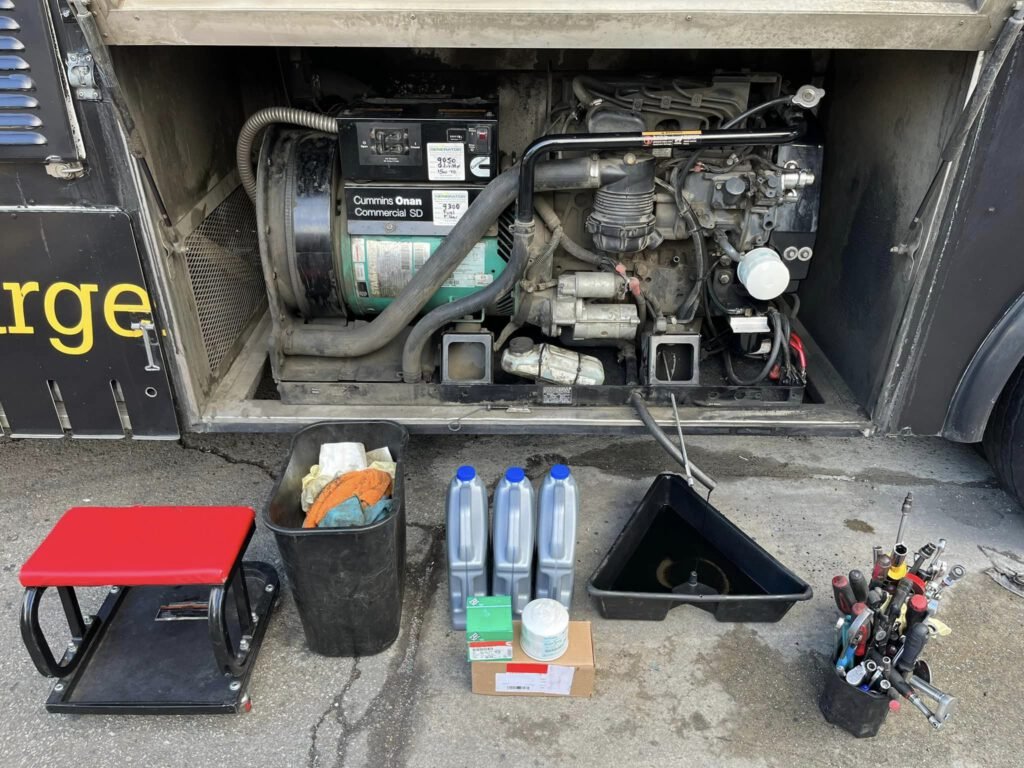
Few things are as frustrating as pulling up to your favorite camping spot or needing backup power, only to have your Onan generator sputter, refuse to start, or worse, die mid-operation. Often, the culprit lies deep within the Onan Generator Fuel System Parts & Diagnostics. Understanding this critical system isn't just for mechanics; it's empowering knowledge that can save you time, money, and a lot of headaches.
This isn't about dry technical manuals; it's about giving you the confidence to diagnose common issues, understand the parts, and perform essential maintenance. Think of this as your personal guide to keeping your Onan purring, written by someone who's seen it all and wants you to avoid the common pitfalls.
At a Glance: Your Onan Fuel System in a Nutshell
- Genuine Parts Matter: Onan (part of Cummins) provides high-quality, tested parts for optimal performance and longevity.
- Fault Codes are Your Friends: Learn to read the blinking LEDs or digital display; they're designed to pinpoint problems quickly.
- Fuel System is Key: Many common issues (like "Overcrank") trace back to fuel delivery, quality, or filtration.
- DIY Diagnostics: Start with basic checks: fuel level, filter condition, pump sound.
- Preventive Maintenance Pays Off: Regular filter changes, fuel stabilizer, and using clean fuel are non-negotiable.
- Know When to Call a Pro: Complex electrical issues, stubborn carburetor problems, or safety-critical fuel leaks demand expert attention.
Understanding the Lifeblood: Your Onan's Fuel System
Before we dive into diagnostics, let's briefly unpack what your Onan's fuel system actually does. Imagine it as the heart and circulatory system of your generator. Its job is to efficiently draw fuel from the tank, clean it, regulate its pressure, and deliver the precise amount to the engine's combustion chamber. When any part of this chain falters, your generator struggles.
Onan generators, whether you have a gasoline or diesel model, rely on a robust fuel system designed for reliability. These systems typically include:
- Fuel Tank: Stores the fuel, often with a sending unit to report levels.
- Fuel Lines: Carry the fuel from the tank to the engine.
- Fuel Pump: Creates the necessary pressure to move fuel. This can be mechanical (engine-driven) or electric (powered by the battery).
- Fuel Filter: A crucial component that removes contaminants before they reach sensitive engine parts.
- Carburetor (Gasoline) or Fuel Injectors (Diesel): The precise mechanism that mixes fuel with air for combustion.
- Fuel Shut-off Solenoid: An electrically controlled valve that opens to allow fuel flow and closes to stop it, preventing "dieseling" (running after the key is off) and often a component in safety shutdowns.
Each of these components plays a vital role. A problem in any one area can manifest as a multitude of generator issues, from hard starting to rough running or complete failure.
Decoding the Blinks: Onan's Diagnostic Language
Onan generators are remarkably sophisticated when it comes to self-diagnosis. They're designed to communicate problems to you through a series of blinking LEDs or, on newer models, a digital display that shows specific fault codes. This isn't just fancy tech; it's your first and most critical step in understanding what's going wrong.
When your generator throws a fit, don't panic. Look for that blinking light on the control panel. The number of blinks (or the code on the display) corresponds to a specific issue. For instance, four blinks often point to low oil pressure, while six might indicate high coolant temperature. But how do you interpret these signals, especially when the issue feels like a fuel problem?
This is where your generator's manual becomes indispensable. It's the Rosetta Stone for your Onan, translating those blinks into actionable information. Don't have it handy? Many manuals are available online through Cummins-Onan's website. Consulting it should always be your first move after identifying a code; it will tell you exactly what that code means and often suggests initial troubleshooting steps. For a more comprehensive look at these signals, consider detailed Onan fault code explanations.
Your Diagnostic Playbook: Pinpointing Fuel System Troubles
While many fault codes aren't directly labeled "fuel system failure," several commonly indicate a fuel-related problem, particularly those affecting starting or consistent running. Let's walk through common scenarios and how to diagnose them.
The Dreaded "Overcrank" (Fault Code 36 on Many Models)
This is one of the most common and frustrating fault codes, often directly related to the fuel system. "Overcrank" means the generator tried to start, cranked for an extended period, but failed to ignite and run. It’s essentially telling you, "I'm trying, but nothing's catching!"
Common Causes & Your Action Plan:
- Empty Fuel Tank (or Low Fuel):
- Diagnosis: This sounds obvious, but it's often overlooked. Is your RV's main fuel tank truly above the 1/4 or 1/3 mark required for the generator to draw fuel? Some Onan generators are designed not to run your vehicle's tank dry.
- Solution: Top off the main fuel tank. Run the generator again.
- Clogged Fuel Filter:
- Diagnosis: If the tank is full, the next most likely culprit is a restricted fuel flow. Fuel filters are designed to capture contaminants, and over time, they get clogged, starving the engine.
- Solution: Replace the fuel filter. This is a critical preventive maintenance item. We'll discuss this more below.
- Weak Fuel Pump:
- Diagnosis: Is the fuel pump moving fuel efficiently? You might hear a distinct "ticking" sound from an electric fuel pump when you try to start the generator (before it cranks). If you hear nothing, or the sound is weak, it could be failing. A more advanced test involves checking fuel pressure at the carburetor or injectors, but this often requires specialized tools.
- Solution: If the pump is silent or weak and other checks are clear, it likely needs replacement.
- Air in the Fuel Lines / Needing to Prime:
- Diagnosis: After running out of fuel or replacing a filter, you might have air trapped in the lines. The generator needs to "prime" the system to remove this air.
- Solution: On many Onan models, holding down the 'Stop' button for 30 seconds (or following the specific priming procedure in your manual) activates the fuel pump to push air out and fill the lines with fuel. Try starting again after priming.
- Stale or Contaminated Fuel:
- Diagnosis: Fuel degrades over time, especially gasoline. Water condensation or debris can also contaminate your fuel supply. Stale fuel won't ignite properly.
- Solution: If your fuel has been sitting for months, consider siphoning it out and refilling with fresh fuel. Using a quality fuel stabilizer is crucial for preventing this in the future.
- Faulty Fuel Shut-off Solenoid:
- Diagnosis: This electrically controlled valve should open when the generator attempts to run. If it's stuck closed or not receiving power, no fuel reaches the engine. You might not hear it "click" when power is applied, or it might not allow fuel to pass.
- Solution: Check for power to the solenoid when trying to start. If power is present but the solenoid isn't activating or passing fuel, it likely needs replacement.
For more generalized starting problems, not just Overcrank, diving into troubleshooting generator starting issues can offer broader perspectives.
Other Codes That Might Hint at Fuel Issues:
While Overcrank is the most direct, other codes, especially those related to poor running or engine issues, could indirectly point to a fuel problem:
- Low Oil Pressure (Code 32/36 depending on model): While primarily oil-related, a fuel issue causing the engine not to start at all might lead to this if the engine cranks without building pressure. Always check oil first! For insights into understanding Onan oil changes, ensure your oil system is sound.
- Engine Surging or Rough Running (No specific code, but a common symptom): This often indicates inconsistent fuel delivery, possibly due to a partially clogged filter, a weak fuel pump, or a dirty carburetor/injectors.
The Anatomy of Reliability: Key Fuel System Parts & Their Role
Understanding the individual components is crucial for both diagnosis and maintenance. Choosing the right parts is just as important as knowing how to install them. For genuine components that fit perfectly and perform optimally, you'll want to Explore Onan generator parts specifically designed for your model.
1. The Fuel Pump: The Heartbeat of Fuel Delivery
- Function: Draws fuel from the tank and pushes it through the lines to the carburetor or injectors at a specific pressure.
- Types:
- Electric: Most common in modern Onan RV generators. You'll often hear a distinct clicking or buzzing sound for a few seconds when you try to start or prime the generator.
- Mechanical: Driven by the engine itself, less common in smaller Onans.
- Common Issues: Failure (no pump action), weak pump (insufficient pressure), or intermittent operation.
- What to Look For: Lack of sound (electric), fuel leaks, or inadequate fuel flow.
2. The Fuel Filter: Your Generator's Gatekeeper
- Function: Removes dirt, rust, and other contaminants from the fuel before they can reach and damage the carburetor, injectors, or fuel pump.
- Importance: This is arguably the most critical and often overlooked part of fuel system maintenance. A clean filter ensures clean fuel.
- Common Issues: Clogging (reduces fuel flow), leading to hard starting, stalling, or rough running.
- What to Look For: Visible debris in clear plastic filters, or simply replacing it as part of routine maintenance.
3. Fuel Lines & Hoses: The Supply Network
- Function: The arteries and veins that transport fuel.
- Importance: Over time, these can degrade from exposure to fuel, heat, and vibration.
- Common Issues: Cracks, hardening, leaks, kinks, or chafing. Leaks are a significant fire hazard and must be addressed immediately.
- What to Look For: Visually inspect all lines for signs of wear, especially near clamps and bends. Smell for fuel.
4. Carburetor (Gasoline) / Fuel Injectors (Diesel): The Fuel Mixers
- Function:
- Carburetor (Gasoline): Mixes air and fuel in the correct ratio before sending it to the engine cylinders.
- Fuel Injectors (Diesel): Atomize and spray fuel directly into the combustion chamber under high pressure.
- Importance: Precise operation is essential for efficient combustion.
- Common Issues:
- Carburetor: Gunk buildup from stale fuel, worn floats, stuck needles, or vacuum leaks. Often leads to surging, stalling, or difficulty starting.
- Injectors: Clogging, leaking, or electrical failure, leading to misfires, smoke, or reduced power.
- What to Look For: Rough running, black/white/blue smoke (diesel), strong fuel smell, or persistent overcrank despite other checks. This is often a professional-level repair.
5. Fuel Shut-off Solenoid: The On/Off Switch
- Function: An electromagnetic valve that controls fuel flow to the carburetor or injectors, typically opening when the ignition is on and closing when it's off. It also serves as a safety cut-off.
- Importance: Ensures fuel is only supplied when the engine is intended to run.
- Common Issues: Stuck open (causes "dieseling"), stuck closed (prevents starting), or electrical failure.
- What to Look For: Listen for a "click" when the generator is commanded to start, or test for fuel flow past the solenoid.
It's worth noting that authenticity of Cummins Onan parts isn't just a marketing slogan; it ensures these critical components meet the exacting standards of your generator's design. Aftermarket parts might save a few dollars upfront but can lead to performance issues or premature failure.
Proactive Care: Fuel System Maintenance for Peak Performance
An ounce of prevention is worth a pound of cure, especially with fuel systems. Regular maintenance dramatically reduces the likelihood of breakdowns and costly repairs. Think of it as investing in worry-free power.
- Replace Fuel Filters Regularly:
- When: Follow your Onan manual's recommendation (often annually or every 100-200 hours of operation). If you use your generator heavily or with questionable fuel, consider more frequent changes.
- Why: This is the cheapest insurance against major fuel system problems. A new filter ensures optimal fuel flow and protects downstream components.
- Use Fresh, Clean Fuel:
- Best Practice: Don't let fuel sit in the tank for extended periods without stabilization. Top off your RV's fuel tank with fresh fuel before major trips.
- Why: Stale fuel degrades, forming gums and varnishes that clog carburetors and injectors. Contaminated fuel introduces debris and water.
- Employ a Quality Fuel Stabilizer:
- When: Every time you fill your tank, especially if the generator won't be used for more than a month or two.
- Why: Stabilizers prevent fuel breakdown, keeping it fresh and preventing buildup in your fuel system. Ethanol in gasoline is particularly aggressive and benefits greatly from stabilization.
- Perform Regular Visual Inspections:
- What: Periodically check fuel lines, connections, and the area around the fuel pump and carburetor/injectors for any signs of leaks, cracks, or damage.
- Why: Catching a small leak or a cracked line early can prevent a major hazard or breakdown.
- Prime the System After Fuel Depletion or Filter Changes:
- How: As mentioned, use your generator's priming function (usually holding the 'Stop' button for 30 seconds) to purge air from the lines after running out of fuel or opening the system.
- Why: This helps ensure consistent fuel delivery and prevents an "Overcrank" situation after maintenance.
Incorporating these steps into your routine, alongside general RV generator maintenance tips, will keep your Onan generator ready for whatever adventures lie ahead.
When to Call in the Pros: Recognizing Your Limits
While much of what we've covered is within the realm of the capable DIYer, there are definitely times when professional help isn't just advisable, it's essential. Onan generators are complex machines, and some issues require specialized tools, in-depth knowledge, or simply carry too much risk for the average enthusiast.
You should consider calling a certified Onan technician when:
- Persistent Fuel Leaks: Fuel leaks are a fire hazard. If you can't quickly identify and fix the source, don't take chances.
- Complex Electrical Diagnostics: While the fuel system is mechanical, its operation is often governed by electrical signals. If you're chasing an electrical issue (e.g., solenoid not clicking, no power to the fuel pump) beyond simple fuse checks, a pro can diagnose it safely and accurately.
- Carburetor Rebuilds or Fuel Injector Service: These are precision components. Disassembling a carburetor for cleaning or servicing diesel injectors requires specific knowledge, tools, and cleanliness. An improper rebuild can cause more problems than it solves.
- Issues After All Basic Checks: If you've methodically gone through all the troubleshooting steps for common fault codes and fuel system components, and the problem persists, it's time for expert intervention.
- Safety Concerns: If you feel uncomfortable or unsafe at any point, especially when dealing with fuel or high voltage, stop and call a professional.
- Warranty Considerations: For newer generators, attempting certain repairs yourself might void your warranty. Always check your documentation.
Professional service ensures that diagnostics are accurate, genuine parts are used (which are often specifically designed and tested by Onan/Cummins), and repairs adhere to safety standards. They have access to advanced diagnostic tools and up-to-date service bulletins that can quickly resolve stubborn issues.
Common Questions & Fuel System Myths Debunked
Let's tackle a few common questions and clear up some misconceptions often encountered when discussing Onan generator fuel systems.
Q: Can I use a generic automotive fuel filter for my Onan generator?
A: While some generic filters might seem to fit, it's strongly recommended to use genuine Onan fuel filters. Onan filters are designed and tested to meet specific flow rates, filtration efficiency, and pressure ratings for your generator's engine. An incorrect filter can restrict fuel flow, prematurely wear out your fuel pump, or fail to adequately protect your engine components. The slight cost savings aren't worth the potential damage or reduced performance.
Q: Does my Onan really need fuel stabilizer if I use it regularly?
A: "Regularly" is the key. If you run your generator weekly, you might get by without it. However, if your definition of "regularly" means once a month or less, especially if the fuel sits for more than 30 days, then absolutely use a quality fuel stabilizer. Modern gasoline, especially with ethanol, starts to degrade quickly. Stabilizer prevents this breakdown, keeping your fuel system clean and ready to go. It's cheap insurance.
Q: My generator runs, but it surges and dies under load. Is that a fuel issue?
A: Very likely. Surging, rough running, or dying under load are classic symptoms of inconsistent fuel delivery. This could be due to a partially clogged fuel filter, a weak fuel pump struggling to maintain pressure, or a dirty carburetor (or less commonly, a failing fuel injector). Start with the easiest check: replace the fuel filter and ensure you have fresh fuel. If it persists, investigate the fuel pump and then consider carburetor/injector service.
Q: What's the deal with "exercising" my generator? Does it help the fuel system?
A: Yes, absolutely! "Exercising" your generator means running it under at least a 50% load for a minimum of two hours, ideally once a month. This practice circulates fuel, preventing it from stagnating in the fuel lines and carburetor, burns off moisture, keeps seals lubricated, and ensures the entire system remains operational. It's fantastic for the fuel system and the generator's overall health.
Your Onan's Longevity Starts Here
Your Onan generator is an investment in convenience and reliability, whether it's powering your RV adventures, your worksite, or your home during an outage. By understanding its fuel system, learning to interpret its diagnostic language, and committing to proactive maintenance, you're not just fixing problems; you're building confidence in your power source.
Remember, the goal isn't just to get it running; it's to keep it running reliably for years to come. Armed with this knowledge, you're well-equipped to tackle most fuel system issues head-on, or at least confidently describe the problem to a professional when the time comes. Keep your manual handy, invest in genuine Onan parts, and enjoy the peace of mind that comes with a well-maintained generator.